ice&fire explores human rights stories through performance. We put human rights at the core of everything we do to make accessible theatre for a wide range of audiences across the UK.
We are a company with a distinct and determined voice, developing original theatre pieces from human rights testimony and documentary evidence. Each piece is shaped by the real people and communities with whom we closely work. From full-scale productions to making small pieces with vulnerable groups, our theatre-making is renowned as provocative, principled and innovative.
We believe that through theatre we can bring unparalleled understanding and empathy to some of the world’s most urgent issues. We want to empower people and communities to express their rights through the power of sharing stories and transporting performance.
It is our mission to inspire artists and audiences to create positive change in the world through human rights.
ice&fire is a registered charity (1118200) and a company limited by guarantee in England (4648400). We are also a registered charity in Scotland (SC048141). We are a Living Wage employer and have been awarded Theatre of Sanctuary status in recognition of our commitment to creating a culture of welcome for people seeking sanctuary within the arts. We receive no regular statutory funding. To support our work, please visit our Justgiving page where Gift Aid will add 25p to every £1 you donate.


Our Story
In 1997, playwright Sonja Linden set up a new project for Freedom from Torture. ‘Write to Life’ was a therapeutic and creative venture for clients, allowing them to record their stories not simply as victims but as artists in their own right. It was hearing one particular story that motivated Sonja to write her play I Have Before Me a Remarkable Document Given to Me by a Young Lady from Rwanda in 2003. Sonja joined with Sara Masters to produce the play, and ice&fire theatre was founded. Young Lady from Rwanda was a sell-out in London and went on to have a national tour and more than 30 productions world-wide, as well as a BBC radio recording. Sonja continued at the helm for five years before stepping down to focus on her writing, handing over the artistic direction of the company to her long-standing colleagues Christine Bacon and Sara Masters (who left in 2010). Christine had joined ice&fire in 2005 and founded the Actors for Human Rights project, converting grassroots activism on human rights themes into an artistic movement. Inspired by and mentored by ice&fire, a similar German network Wort und Herzschlag, was founded by Michael Ruf. The project is now run by Seb Aguirre who became Co-Artistic Director in 2022.
ice&fire has produced more than a dozen verbatim scripts, eight full-scale theatre productions, several participatory projects working with people who have experienced human rights abuses and two podcast series. The company accepts regular commissions. Find out more about our past projects and current work, people and partnership working and follow our social @iceandfireuk for all our recent news and updates.



People

Christine Bacon
Co Artistic Director
Biography

Sebastian Aguirre
Co Artistic Director
Biography

Helen Clapp
General Manager
Biography
Associate Artists
PJ Samuels
Biography

Ali Ghaderi
Biography
Ali is an actor, advocate and activist working for the rights of refugees and asylum seekers, inspired by his own experiences. As an actor, he performed at the Globe and National Theatre. He is the founder and director and Babylon Migrants Project and involved with other organisations such as Our Second Home, Counterpoints Arts and British Red Cross. Ali regularly performs with us as part of the Actors for Human Rights network
Trustees

Tori Allen-Martin
Biography
As a writer, she has had work performed at The Other Palace, The Turbine, The Criterion (West End) and The Park Theatre who commissioned her play Park Bench to re-open the theatre after Covid. She is currently developing three musicals—Mighty Woman, Bling and Newtopia—and hasTV projects with Long Story TV and BBC Studios. As a producer, she co-founded Burn Bright to support women writers and previously founded Interval Productions, earning multiple Off West End nominations.
Tori has also worked extensively as a vocalist with two EPs reaching the iTunes singer-songwriter Top 20.
“I’m proud to support and be on the board of ice&fire, an incredible human rights organisation that uses performance to amplify real voices and the stories of those affected by human rights abuses. ice&fire’s mission—to put human rights at the heart of artistic practice and to foster empathy, understanding and positive change through performance—resonates deeply with me. They combine artistry with activism, using storytelling to connect audiences to urgent human rights issues in a way that feels immediate, human and powerful and it’s an honour to be part of an organisation that truly believes in the power of theatre to challenge injustice and inspire compassion.”

Moud Goba
Biography
“As a refugee I know how retraumatising it can be to share a story of such pain and a hard journey again and again. At the same time you want this story to be heard to highlight failures of the system, to advocate for change. I think ice and fire are doing remarkable work in highlighting these human rights issues, amplifying the voices of the unheard. I am honoured to be a trustee.”
Rebecca Scroggs
Biography

Sabrine Dao
Biography
“The performing arts are an incredible vehicle to challenge and create ideas and share stories which resonate with people across divides, and ice&fire is a trailblazer in using the performing arts to give a voice to refugees and migrants. I’m honoured to bring my skills and interests to ice&fire as a Trustee.”

Liz Pagett
Biography
“The arts have a profound ability to provoke and inspire, to change hearts and minds, and to challenge our assumptions about the world. ice&fire are telling vital human rights stories that need to be heard, and I’m thrilled to be able to support them as a Trustee”
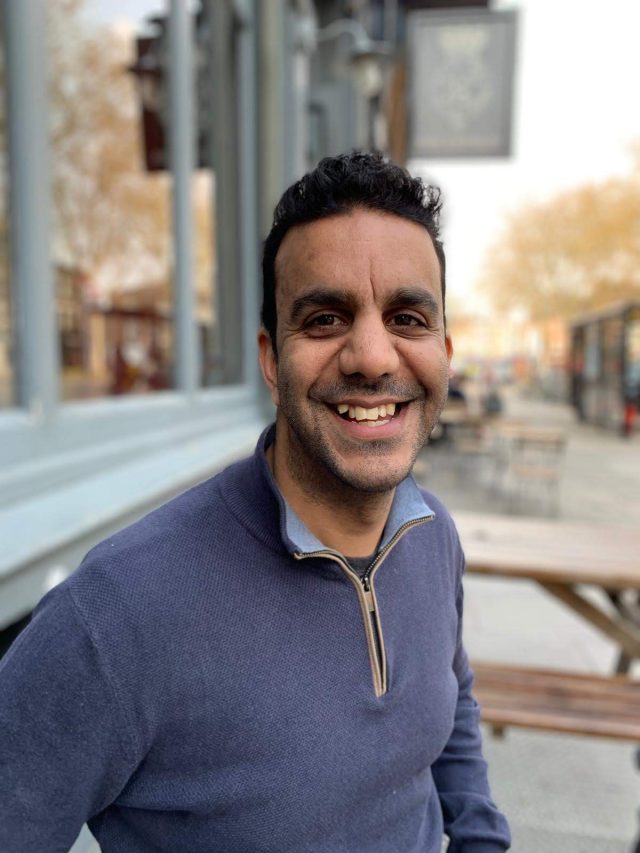
Neal Shah
Biography
“I’m thrilled to be a trustee for ice&fire. Sharing real-life stories about human rights issues through performance is so powerful. I hope to bring my financial skills and expertise to help ice&fire continue to reach more people”
Founder

Sonja Linden
Biography
Our Supporters
We are supported by Arts Council England, Allen Lane Foundation, Aurum Charitable Trust, Big Lottery – Awards for All and Paul Hamlyn Foundation. We are also a recognised Theatre of Sanctuary.
Individual projects are supported by a number of other funders. Please see project pages for details.